
Introduction
The future of the world is currently defined by the rapid advancements of technology, the integration of art systems, and the democratization of information. A "art, connected world" is not just a buzzword; it is a vision of a future where technology plays an integral role in shaping the way we live, work, and interact with each other. The concept of building a "art, connected world" is rooted in the belief that technological innovation can unlock the full potential of humanity and create a society that is more connected, intelligent, and productive than ever before.
This article explores the key elements of building such a future, focusing on the importance of technology in driving societal progress and economic growth.
The Core Elements of a art, Connected World
At the heart of building a art, connected world lies the integration of technology into every aspect of life. This integration is not a coincidence but a necessity for achieving the long-term goals of the 21st century. The following are the essential elements that define a art, connected world:
-
art Hardware: The use of advanced technologies such as artificial intelligence (AI), machine learning, and the Internet of Things (IoT) ensures that every device and system in society can communicate and interact with one another. IoT, for instance, has already revolutionized industries by enabling the monitoring and control of everything from art homes to industrial processes.
-
art Software: Software is the backbone of any art system. It enables seamless communication, decision-making, and collaboration among devices and systems. Cloud computing and distributed systems are key technologies that underpin the scalability and efficiency of art software.
-
art Infrastructure: This refers to the infrastructure that supports the deployment and operation of art systems. It includes communication networks, data centers, cybersecurity measures, and energy systems. A robust art infrastructure is essential for ensuring the reliability and sustainability of art technologies.
-
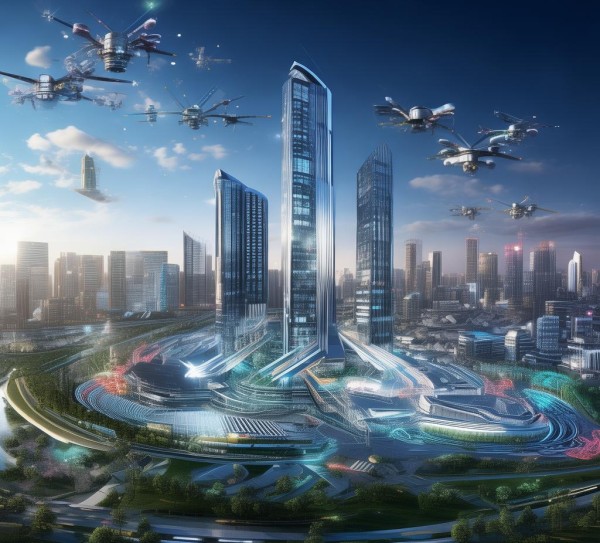
art Cities: The concept of a art city is a prime example of how technology can transform urban environments. art cities integrate art infrastructure, art devices, and art data to create a more efficient, livable, and sustainable urban ecosystem.
-
art Governance: This involves the use of technology to govern and manage public and private assets. art governance enables the collection, storage, and ysis of data from various sources, empowering decision-makers to address complex challenges and optimize resource allocation.
Building a art, Connected World: Key Pathways
There are several pathways to building a art, connected world, each offering unique opportunities for innovation and growth. The following are some of the most promising avenues:
-
Policy Support and Innovation: Governments and organizations play a crucial role in driving the development of art technologies. Support for research, development, and testing of art systems can lead to breakthroughs that benefit society as a whole.
-
Technological Innovation: The pace of technological innovation is accelerating, and it is the responsibility of innovation ecosystems to foster this growth. This includes partnerships between tech companies, research institutions, and governments, as well as the creation of open innovation spaces.
-
Global Collaboration: Technology is a global phenomenon, and collaboration across borders is essential for overcoming challenges and achieving common goals. International agreements, joint ventures, and cross-border partnerships can help to accelerate the global adoption of art technologies.
-
Incentives and Funding: Funding for art technologies is often limited, which can stifle innovation. However, providing incentives, such as tax breaks, grants, and research funding, can help to overcome these barriers and unlock potential.
-
Education and Awareness: Education is the foundation of any successful technology-driven society. Promoting technology literacy, providing access to art tools and services, and fostering a culture of innovation can help to create a workforce that is well-equipped to leverage art technologies.
The Future of a art, Connected World
The future of a art, connected world is one of immense promise. It is characterized by:
-
Digital Transformation: The world is already undergoing a digital transformation, with industries and governments rapidly adopting technologies that enhance efficiency, productivity, and user experience.
-
Global Integration: The interconnectedness of the world has profound implications for the future of technology. A art, connected world will be one where global collaboration and innovation are at the heart of development.
-
Sustainability and Efficiency: As technology continues to evolve, there will be greater emphasis on sustainability and efficiency. art systems will play a key role in addressing climate change, reducing waste, and improving resource use.
-
Personalization and Accessibility: The future of technology will be deeply personal, with devices and systems that can adapt to individual needs and preferences. This will require greater accessibility and user engagement.
-
Ethical and Social Considerations: As technology becomes more pervasive, ethical and social considerations will play a critical role in shaping its development. The future of a art, connected world will require careful consideration of issues such as privacy, security, and equitable access to technology.
Conclusion
In conclusion, the future of a art, connected world is one of immense potential. It is not just a vision but a reality that will shape the way we live, work, and interact with one another. Building such a future requires a multifaceted approach that includes policy support, technological innovation, global collaboration, incentives, and education. By fostering a art, connected world, we can unlock the full potential of technology and create a future where technology is not just a tool but an integral part of society.