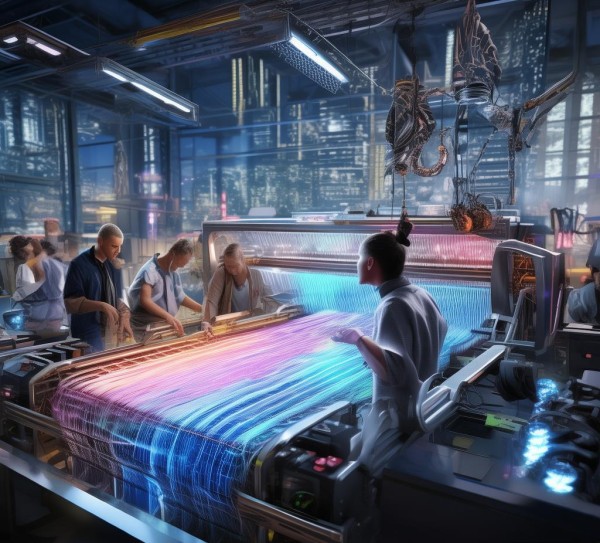

科技馆建设是城市未来的基础设施建设,它通过创新的数字展览、互动体验和志愿者活动,助力城市数字化发展,提升城市吸引力和居民参与度,科技馆不仅支持创新,也促进社会参与,为年轻一代提供学习机会,为未来创造机遇,它不仅是城市发展的载体,更是推动可持续发展的重要力量。
As society continues to advance, urbanization accelerates, and the role of technology in shaping urban environments becomes increasingly important. To meet these developmental needs, the Chinese government has been actively promoting the construction of scientific and technological museums, with a focus on enhancing their functionality and quality. This article explores the necessity, objectives, and expected outcomes of building such museums, as well as their role in providing valuable information to readers.
The purpose of a science museum lies not only in displaying historical exhibits but also in serving as a comprehensive educational and cultural hub. With the rapid pace of urbanization, traditional museums often face challenges such as limited functionality and a lack of吸引力. The construction of modern science museums is therefore crucial for fostering innovation, promoting social creativity, and enhancing the overall quality of society.
Science museums are not just physical structures; they are also spaces where people can interact with technology, explore virtual reality, and engage with 3D models. By integrating cutting-edge technology and creative elements, science museums can offer a wide range of educational and recreational opportunities, addressing the growing needs of modern citizens.
Aims and Standards of Science Museum Construction
-
Leverage Functional and Service Areas Science museums should establish both functional and service areas, creating a unified and standardized operational environment, while adhering to standards of professionali and innovation.
- Promote Creative Cultural Experiences Instead of merely replicating historical sites, science museums should promote creative exhibitions that include digital displays, virtual reality experiences, and 3D model showcasing, inspired by the spirit of innovation.
- Encourage Creative Spirit Science museums should embody the spirit of innovation, showcasing innovative creations and fostering a culture of creativity, thereby bridging the gap between technology and society.
Construction Standards and Implementation Plans
-
Optimize Space and Equipment Museums should be organized into functional zones, equipped with advanced technology such as virtual reality equipment, 3D printing tools, and 3D scanning devices to cater to diverse visitor needs.
- Develop Diverse Service Models Beyond traditional exhibits, science museums should offer diverse service models, including interactive exhibits, cultural experiences, and educational programs, to meet the varied needs of visitors.
- Adopt Innovative Operations To enhance service efficiency and user experience, science museums should explore online and offline operations, utilizing data ytics and artificial intelligence to create an intelligent and digital service system.
Expected Outcomes and示范
-
Enhance City形象 The construction of science museums will not only contribute to the enhancement of city形象 but also serve as a platform for promoting city innovation and economic development.
- Promote Social Innovation By fostering creativity and innovation, science museums can support societal development and create value for society, contributing to its growth and prosperity.
- Pose a Challenge to the City The construction of these museums will elevate the city's overall competitiveness, positioning it as a leader in innovation and sustainable development.
Building science museums is a vital initiative to drive urban transformation. It not only serves as a foundation for technological advancement but also fosters creativity and innovation, offering a wealth of resources and opportunities for society to thrive.