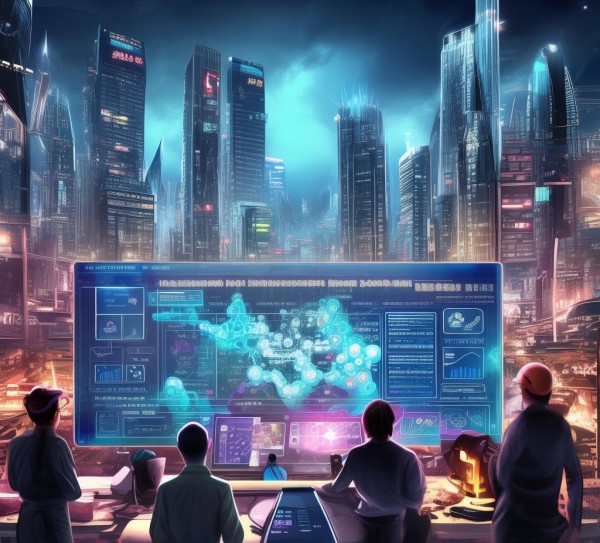

上海现代科技服务业在 recent years has emerged as a dynamic and innovative field, driven by a combination of technological advancements, policy support, and a growing talent pool. On the **frontier of opportunities**, the sector benefits from a robust innovation ecosystem, supportive policies, and a decentralized digital transformation effort. This growth is further fueled by a strong emphasis on high-quality talent and a competitive business environment.,However, the industry is also grappling with **challenges**, including the increasing complexity of emerging technologies, policy uncertainties, economic competition from other sectors, and rising demand for skilled workers. Despite these hurdles, the sector is poised for continued growth, as it continues to adapt to the evolving needs of the global economy. The future of modern科技服务业 looks promising, with a focus on sustainability, inclusivity, and ethical practices.
-
技术创新的深度化
上海作为全球科技创新的重要引擎,正以人工智能、大数据、5G、人工智能、金融科技等领域的突破性进展,推动其成为全球人工智能产业的重要基地。 -
数字经济的深化发展
上海正致力于打造数字平台、数字经济转型等战略,通过提升数据、人工智能、5G、物联网等基础设施,建设以数字经济为核心的现代化经济体系。 -
政策与市场的协同作用
上海政府出台的政策支持措施,如税收优惠、资金投入、知识产权保护等,为科技服务业提供了持续发展的动力,同时市场环境的优化也为科技创新提供了良好的支持。
上海现代科技服务业面临的挑战
-
技术与产业的平衡
上海科技服务业发展迅速,但技术与产业的关系尚未明确,一些科技企业过度依赖技术,忽视产业逻辑,导致创新瓶颈难以突破。 -
人才的培养与应用
上海人才短缺问题严重,需加强AI、大数据等新兴领域的人才培养,人才培养将驱动科技创新和产业升级。 -
政策与市场的协同作用
上海政策的执行效果需进一步验证,市场需求变化可能对科技服务业发展构成挑战。
未来发展的展望
-
技术创新的深度化
随着AI、大数据、5G等技术的快速发展,上海将更加注重技术创新和创新能力提升,通过加大研发投入推动创新。 -
数字经济的深化发展
上海将推动数字基础设施建设,打造数字平台,推动数字经济转型升级,带动相关产业快速发展。 -
创新驱动的协同效应
上海需通过政策支持、企业创新、科研合作等多种方式,促进科技创新与产业发展的深度融合,形成协同效应。