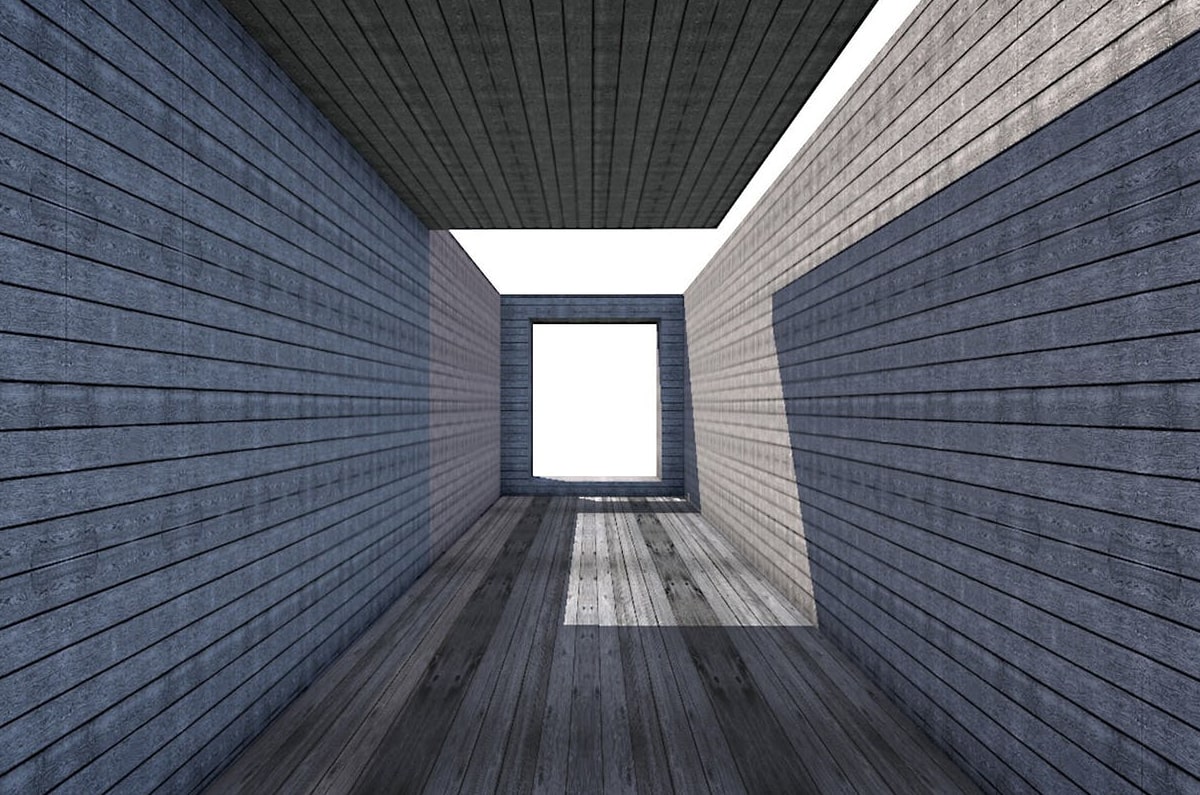

doors are a fundamental element of modern architecture and urban planning. From the simplest window to the most sophisticated interior spaces, doors play a pivotal role in creating a cohesive and visually appealing environment. However, the traditional design and construction methods of doors have faced limitations, particularly in terms of functionality, sustainability, and integration with the built environment. This has led to a growing need for innovative solutions that can address these challenges while enhancing the aesthetic and functional aspects of门窗.
The Evolution of门窗 Technology
Over the years,门窗 technology has evolved significantly, driven by advancements in materials, manufacturing processes, and digital tools. The introduction of high-quality materials such as carbon fiber and metal offers greater strength and durability, making doors more resistant to environmental factors. Additionally, the use of advanced manufacturing techniques, including 3D printing and additive manufacturing, has enabled the creation of complex and unique door designs that were previously unimaginable.
Another key factor in the evolution of门窗 technology is the integration of art and intelligent systems. The adoption of art doors, which use sensors and data ytics to optimize movement and reduce energy consumption, represents a significant leap forward. These systems not only enhance the efficiency of doors but also contribute to more sustainable living.
Key Factors Driving门窗 Technology Development
The development of门窗 technology is influenced by a variety of factors. One of the most significant factors is the increasing demand for eco-friendly and sustainable materials. As building codes and environmental regulations continue to evolve, there is a greater emphasis on reducing the environmental impact of门窗. This has led to the adoption of recycled materials and biodegradable products, which are becoming increasingly popular in门窗.
Another critical factor is the integration of technology with traditional design. While traditional门窗 are often simple and functional, modern doors are designed to be more interactive and user-friendly. This is achieved through the use of interactive panels, motion-sensing technology, and other advanced features that enhance the user experience.
The role of artificial intelligence (AI) in门窗 technology development is also noteworthy. AI-powered systems are used to predict the best materials and designs for specific applications, optimize manufacturing processes, and even suggest the most cost-effective solutions for a given space. This level of automation has revolutionized the门窗 industry, enabling faster and more efficient design iterations.
Challenges in门窗 Technology Development
Despite the advancements in门窗 technology, there are still challenges that need to be addressed. One of the most significant challenges is the need for robust and reliable technology. As technology continues to evolve, it must remain compatible with existing systems and ensure a seamless user experience. This requires ongoing investment in research and development to overcome potential issues.
Another challenge is the need to balance innovation with sustainability. While the goal is to create functional and aesthetically pleasing doors, it is also important to consider the environmental impact of the technology being developed. This requires careful consideration of the materials, manufacturing processes, and energy consumption associated with each solution.
The lack of standardization in门窗 technology is another issue that requires attention. While some countries have established standards for door design and construction, there is no universal agreement on how to implement these standards. This lack of standardization can lead to inconsistencies in the quality and performance of门窗, which can be problematic for both consumers and manufacturers.
Future Directions for门窗 Technology Development
Looking ahead, the future of门窗 technology development is poised for significant growth, driven by the increasing demand for art, sustainable, and interactive solutions. One of the key trends expected to dominate the industry is the adoption of AI and machine learning in door design and manufacturing. These technologies will enable the creation of more personalized and efficient solutions, which will be particularly beneficial for large-scale projects.
Another important direction is the integration of green technology into门窗 development. As the world becomes more conscious about sustainability, there is a growing need for doors that are not only functional but also environmentally friendly. This will likely lead to the development of more energy-efficient and recyclable materials, which will reduce the environmental impact of门窗.
The use of advanced materials such as graphene and metal nanotechnology is also expected to play a significant role in the future of门窗 technology. These materials have the potential to offer innovative solutions that are both durable and lightweight, which will be particularly useful in high-performance applications such as automotive and aerospace doors.
The Social Impact of门窗 Technology Development
The development of门窗 technology has far-reaching social impacts.门窗 are not only a functional element of a building but also a symbol of community and community engagement. By creating interactive and user-friendly doors, architects and designers can foster a sense of connection between people and their surroundings. This can lead to greater social cohesion and a deeper sense of community.
In addition to its aesthetic and functional aspects,门窗 technology has the potential to influence the way people live in the future. The adoption of art and interactive doors, for example, could lead to greater independence and participation in the built environment. This could shift the way people interact with their surroundings, leading to a greater sense of control and engagement in the community.
Furthermore, the use of green and sustainable门窗 could have a positive impact on the environment. By reducing the need for energy-intensive materials and processes, the use of green门窗 could contribute to a more sustainable and eco-friendly future.
Conclusion
门窗 technology development is a dynamic and evolving field that is driven by a combination of technological innovation, environmental considerations, and social impact. As the world continues to move towards more sustainable and interactive living spaces, the development of门窗 technology will remain a key driver of progress in architecture and urban planning. The future of门窗 technology lies in its ability to meet the growing needs of the built environment while ensuring a positive and sustainable impact on society.
By investing in research and development, focusing on innovation, and embracing sustainability, the门窗 industry can continue to evolve and provide a valuable solution for the next generation of architectural and building technologies.