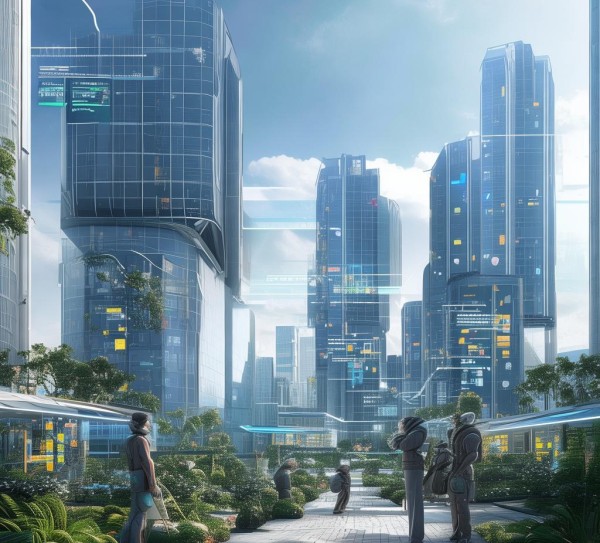

科技服务业作为现代经济的重要组成部分,正经历着机遇与挑战的博弈,在这场竞争中,科技创新被视为核心驱动力,而政策、技术发展和全球竞争则成为推动行业变革的重要力量,行业内部面临的技术瓶颈、市场需求波动以及竞争格局的变迁,也为企业的可持续发展注入了新的挑战,科技服务业的未来将依赖于如何在机遇与挑战之间找到平衡,实现持续增长和创新能力的提升。
随着人工智能、5G技术、大数据等技术的快速发展,科技服务业正在以前所未有的速度成为推动经济发展的重要引擎,这一趋势在快节奏的经济变革背景下尤为明显,科技服务业不仅是经济增长的新动力,更是实现产业升级的关键所在,本文将从政策支持、人才引进、创新机制完善及国际合作等多个维度,深入探讨科技服务业的发展路径、机遇与挑战,并为投资者、政策制定者及行业从业者提供有价值的参考建议。
技术的 rapid development is reshaping our lives and workplace, from manufacturing to services, from traditional industries to emerging sectors. In an era of rapid change, the role of technology-driven sector services in driving economic transformation becomes increasingly significant. As digital transformation progresses, businesses leverage advanced technologies like data ytics and artificial intelligence to achieve precise decision-making across sectors such as manufacturing, finance, and healthcare. These transformations are not only reshaping production processes and business operations but also creating new growth opportunities through data-driven decision-making. Innovation has emerged as the new driving force behind economic growth, propelling industries to new heights of development and creating growth opportunities. In this context, the importance of the technology-driven sector services as a pillar of economic transformation becomes evident.
科技服务业的机遇
数据驱动的决策
The integration of data into decision-making processes is becoming increasingly prevalent, enabling businesses to make more informed choices. In manufacturing, data ytics can optimize production processes; in finance, it can streamline risk management; and in healthcare, it can improve patient care. As businesses adopt data-driven decision-making, they are not only transforming their operational models but also enhancing their competitive advantage in a rapidly changing global economy.
科技驱动的创新
The rapid advancement of technology has created a wealth of innovation opportunities, ranging from AI and machine learning to quantum computing. These technologies are driving economic growth by creating new industries, fostering job creation, and accelerating industrial transformation. Innovation not only drives technological progress but also creates new business opportunities, including partnerships, joint ventures, and new market entry strategies.
数字化转型的加速
In the global and information age, digital transformation is playing a pivotal role in reshaping industries and the way people interact with technology. From the rise of the internet to the rise of big data companies, the demand for digital transformation is surging. This shift is reshaping industries from the physical to the digital, from traditional to emerging, and is creating new business models, digital platforms, and value creation opportunities.
科技服务业的挑战
英才短缺
The lack of skilled talent is a significant barrier to the growth of the technology-driven sector services, limiting businesses to isolated growth strategies and creating a bottleneck for innovation and development.
政策支持不足
Despite the government's support for the development of technology-driven sectors, certain high-tech industries still face challenges in receiving government support, particularly in the areas of research, development, and innovation. These challenges hinder the rapid progress of the sector and limit the potential for economic growth.
法律与监管问题
随着技术的普及,相关法律法规的完善成为必须,数据隐私保护、知识产权保护、法律合规等问题亟待解决,这些法律问题可能对科技服务业的发展产生负面影响,影响其在整体经济中的地位。
科技服务业的发展路径
政策支持
The government should provide robust policy support for the development of technology-driven sectors, including legal frameworks, regulatory guidelines, and investment incentives. This support is crucial for fostering innovation, creating jobs, and ensuring the long-term stability and sustainability of the sector.
英才引进
To achieve the full potential of the technology-driven sector, the integration of talent引进 mechanis is essential. This includes developing training programs, research institutions, and talent markets to attract and retain skilled professionals, enabling the sector to adapt to changing economic and technological landscapes.
创新机制的完善
The sector must establish mechanis to support innovation, such as fostering collaboration between academia, industry, and government, promoting cross-industry partnerships, and advancing research and development. These mechanis are critical for addressing challenges and driving the sector's growth.
国际化合作
In the context of globalization, the technology-driven sector requires international cooperation to address global challenges. This includes sharing technology, knowledge, and best practices, as well as developing international standards and frameworks, to ensure the sector's continued success and adaptability.
科技服务业的发展是推动经济转型升级的重要力量,其机遇与挑战并存,需要从政策支持、人才引进、创新机制、国际合作等多个维度入手,制定科学的策略,促进科技服务业的长期稳定发展,只有通过多方协作,才能实现科技服务业的长期稳定发展,为经济发展注入新的活力。